
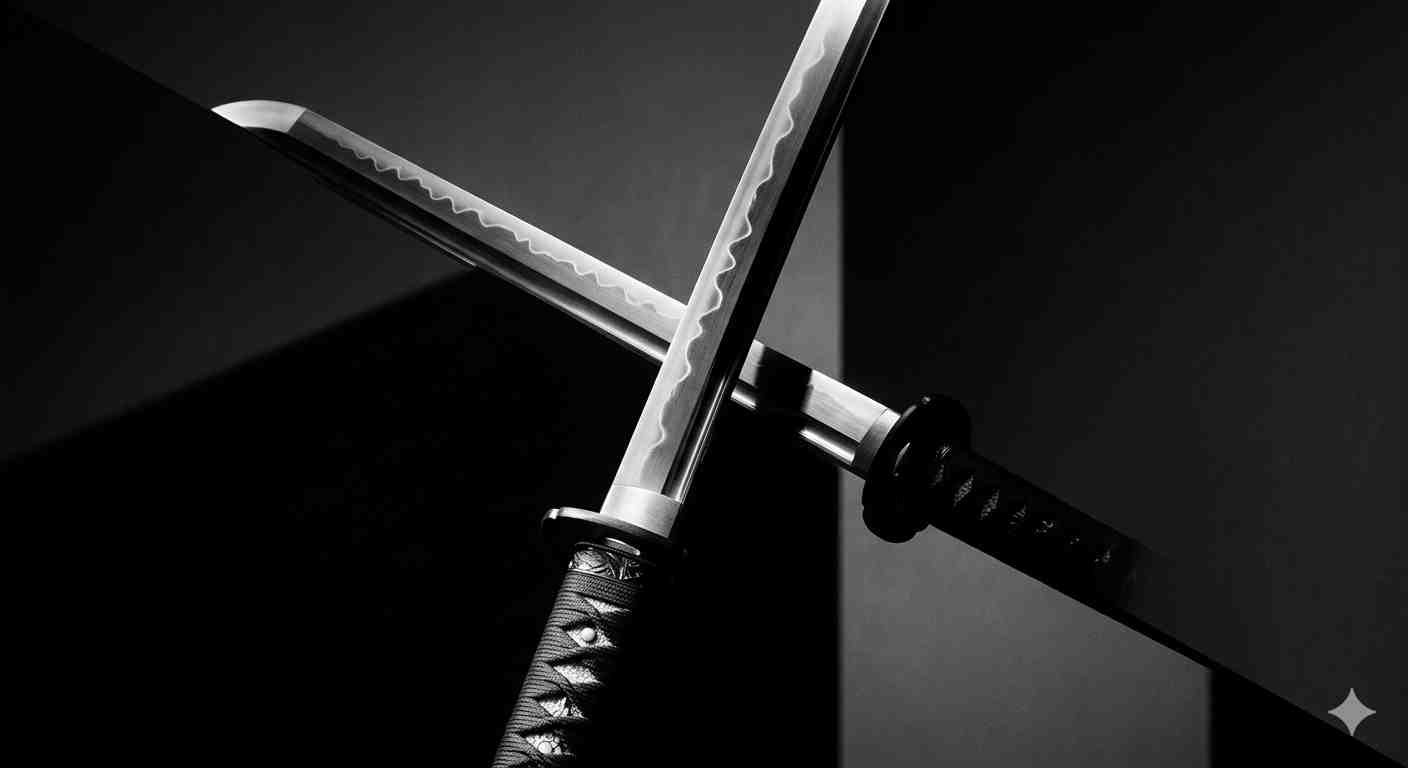
Katana swords are among the most iconic weapons in history. Known for their curved blades, razor-sharp edges, and deep connection to samurai culture, the katana has become a symbol of craftsmanship, discipline, and prestige.
Today, replica katana swords are highly popular among collectors, martial artists, anime fans, cosplay enthusiasts, and home decorators. However, not all katanas are made the same. Some are decorative wall hangers, while others are battle-ready functional swords built with traditional forging methods.
If you are planning to buy a katana sword, this guide covers everything you need to know — from blade materials and construction to maintenance, legality, and buying tips.
Table of Contents
- What Is a Katana Sword?
- History of the Samurai Katana
- Types of Katana Swords
- Parts of a Katana
- Katana Blade Materials Explained
- Decorative vs Functional Katana
- How to Choose the Best Replica Katana
- Common Mistakes Buyers Make
- Katana Maintenance and Care
- Are Katana Swords Legal?
- Katana vs Other Japanese Swords
- Best Uses for Replica Katana Swords
- Expert Buying Tips
- FAQs
- Conclusion
What Is a Katana Sword?
A katana is a traditional Japanese sword characterized by:
- A curved single-edged blade
- Long grip for two-handed use
- Circular or squared guard (tsuba)
- Exceptional sharpness and balance
Historically, samurai warriors used katana swords in feudal Japan for combat and status. Modern replica katanas are designed for:
- Sword collections
- Martial arts training
- Cosplay
- Home decoration
- Cutting practice
- Gifts for enthusiasts
Featured Snippet Answer
A katana sword is a traditional Japanese curved sword originally used by samurai warriors. Modern replica katana swords are commonly used for collection, martial arts, cosplay, and display purposes.
History of the Samurai Katana
The katana evolved during Japan’s feudal era. Earlier Japanese swords were straight, but swordsmiths eventually developed curved blades that allowed faster and more effective cutting.
The katana became the primary weapon of the samurai during the Muromachi period (1336–1573). Famous swordsmiths like Masamune helped establish the katana as a masterpiece of metallurgy and craftsmanship.
Over time, katana swords gained cultural and spiritual significance. Many samurai considered their swords the “soul of the warrior.”
Types of Katana Swords
Understanding the different types of katana swords helps buyers choose the right option.
1. Decorative Katana
These swords are made mainly for display.
Best for:
- Home decor
- Anime collections
- Cosplay
- Gifts
Pros
- Affordable
- Attractive designs
- Lightweight
Cons
- Not sharpened
- Not suitable for cutting practice
2. Functional Katana
Functional katanas are forged from high-carbon steel and designed for real use.
Best for:
- Martial arts
- Tameshigiri (cutting practice)
- Serious collectors
Pros
- Durable
- Sharp edge
- Better balance
Cons
- More expensive
- Requires maintenance
3. Anime Replica Katana
Inspired by popular anime and video game characters.
Popular examples include:
- Demon Slayer swords
- One Piece katana replicas
- Bleach Zanpakuto replicas
These are extremely popular among cosplay and anime fans.
Parts of a Katana
Understanding katana terminology helps buyers evaluate quality.
| Part | Description |
| Blade | The cutting portion |
| Tsuka | Handle |
| Tsuba | Guard |
| Saya | Scabbard |
| Hamon | Temper line on blade |
| Tang | Hidden extension inside handle |
Image Suggestion
- Close-up labeled diagram of katana parts
Suggested Alt Text
“Diagram showing parts of a traditional katana sword”
Katana Blade Materials Explained
The steel used in a katana directly affects durability, sharpness, and price.
Stainless Steel Katana
Mostly decorative.
Benefits
- Rust resistant
- Cheap
- Low maintenance
Drawbacks
- Brittle
- Poor edge retention
Carbon Steel Katana
Popular among serious buyers.
Common Types
- 1045 Carbon Steel
- 1060 Carbon Steel
- 1095 High Carbon Steel
Benefits
- Stronger blade
- Better sharpness
- Excellent cutting ability
Drawbacks
- Can rust if neglected
Damascus Steel Katana
Features layered steel patterns.
Benefits
- Premium appearance
- Unique blade patterns
- Strong construction
Drawbacks
- Higher price
Decorative vs Functional Katana
| Feature | Decorative Katana | Functional Katana |
| Sharpness | Usually dull | Razor sharp |
| Steel Quality | Low | High carbon steel |
| Durability | Low | High |
| Intended Use | Display | Cutting practice |
| Price Range | Budget-friendly | Mid to high-end |
Expert Recommendation
If you only want a display piece, decorative swords are sufficient. For martial arts or real cutting practice, choose a full tang high-carbon steel katana.
How to Choose the Best Replica Katana
Buying the right katana depends on your purpose and budget.
1. Check the Tang Construction
Always choose a full tang katana for durability.
Avoid:
- Rat-tail tangs
- Welded handles
2. Evaluate Blade Steel
Recommended options:
- 1045 steel for beginners
- 1060 steel for balanced performance
- 1095 steel for advanced users
3. Consider Blade Sharpness
Some replica swords come:
- Unsharpened
- Semi-sharp
- Fully sharpened
Choose according to intended use.
4. Inspect Handle Wrapping
A quality katana should have:
- Tight tsuka-ito wrapping
- Secure fittings
- Comfortable grip
Loose wrapping indicates poor craftsmanship.
5. Review Seller Reputation
Before buying:
- Read customer reviews
- Check return policies
- Verify steel authenticity
- Look for detailed specifications
Common Mistakes Buyers Make
Buying Based Only on Appearance
Many cheap replica swords look impressive but use weak materials.
Ignoring Blade Steel
Steel quality matters more than decorative features.
Choosing Fake “Battle Ready” Swords
Some sellers misuse the term “battle ready.”
Real functional swords should include:
- Full tang construction
- Carbon steel blade
- Heat treatment details
Neglecting Maintenance
Even high-quality katanas can rust without proper care.
Katana Maintenance and Care
Proper maintenance extends the life of your sword.
Cleaning Steps
- Wipe blade after handling
- Apply light sword oil
- Store in dry environment
- Avoid touching blade directly
Never:
- Store wet blades
- Use abrasive cleaners
- Swing decorative swords aggressively
Image Suggestion
- Katana cleaning kit and oiling process
Suggested Alt Text
“Cleaning and maintaining a Japanese katana sword”
Are Katana Swords Legal?
Katana laws vary by country and region.
In many places:
- Decorative swords are legal
- Carrying swords publicly is restricted
- Functional sharpened blades may require compliance with local laws
Always verify:
- Import regulations
- Blade length restrictions
- Shipping policies
Katana vs Other Japanese Swords
| Sword Type | Blade Length | Primary Use |
| Katana | Long | Combat |
| Wakizashi | Medium | Backup weapon |
| Tanto | Short | Utility and combat |
| Nodachi | Very long | Battlefield use |
Understanding these differences helps collectors build authentic Japanese sword collections.
Best Uses for Replica Katana Swords
Replica katana swords serve many purposes.
Popular Use Cases
Collecting
Many enthusiasts collect historically inspired swords.
Martial Arts
Used in:
- Iaido
- Kenjutsu
- Tameshigiri
Cosplay
Anime-inspired katanas remain highly popular.
Interior Decoration
Wall-mounted katanas create striking decor pieces.
Gifts
A premium katana makes a memorable gift for collectors and martial arts fans.
Expert Buying Tips
Choose Reputable Sellers
Look for:
- Detailed specifications
- Real product images
- Customer reviews
- Steel certifications
Start With Mid-Range Options
Avoid ultra-cheap swords. A mid-range katana usually offers better:
- Balance
- Materials
- Durability
Understand Your Purpose
Ask yourself:
- Display or cutting?
- Anime replica or traditional style?
- Collector item or beginner sword?
Your answer determines the ideal katana.
Internal Linking Opportunities
Suggested internal links:
- Japanese sword maintenance guide
- Best anime replica swords
- Carbon steel sword buying guide
- Samurai history article
- Sword display stand guide
External Authority References
Suggested authority references:
- Japanese Sword Museum
- Martial arts associations
- Historical samurai archives
- Steel metallurgy resources
FAQs
What is the best steel for a katana sword?
1060 and 1095 carbon steel are excellent choices for functional katana swords because they offer durability and edge retention.
Are replica katana swords sharp?
Some are decorative and dull, while others are fully sharpened for cutting practice.
What does “full tang” mean?
A full tang means the blade extends through the handle, improving durability and balance.
Can a katana rust?
Yes. Carbon steel katanas can rust if not cleaned and oiled regularly.
Are katana swords good for beginners?
Yes. Beginners should start with affordable 1045 carbon steel replica katanas.
What is the difference between a katana and a samurai sword?
A katana is a type of samurai sword. “Samurai sword” is a broader term covering multiple Japanese sword styles.
Conclusion
Katana swords combine history, craftsmanship, and visual appeal in a way few weapons can match. Whether you want a decorative anime replica, a collector-grade samurai sword, or a functional cutting blade, understanding materials, construction, and intended use is essential.
The best replica katana is not always the most expensive one. A quality sword should match your goals, offer reliable craftsmanship, and come from a trusted seller.
By choosing carefully and maintaining your katana properly, you can own a sword that remains impressive for years to come.
Ready to buy your first katana sword?
Compare blade materials, verify full tang construction, and choose a trusted replica sword seller before making your purchase. A well-made katana is more than decoration, it is a piece of Japanese history and craftsmanship.